
Circuit Wire — a daily news update from the Circuit.
Hackers used a flaw in Optimizely, a website testing and experimentation platform, to plant malicious JavaScript on sites run by 178 organizations on Monday, November 16. CNN, the BBC, Fox News, Zoom and Salesforce were among the sites that loaded the code, BleepingComputer reported.
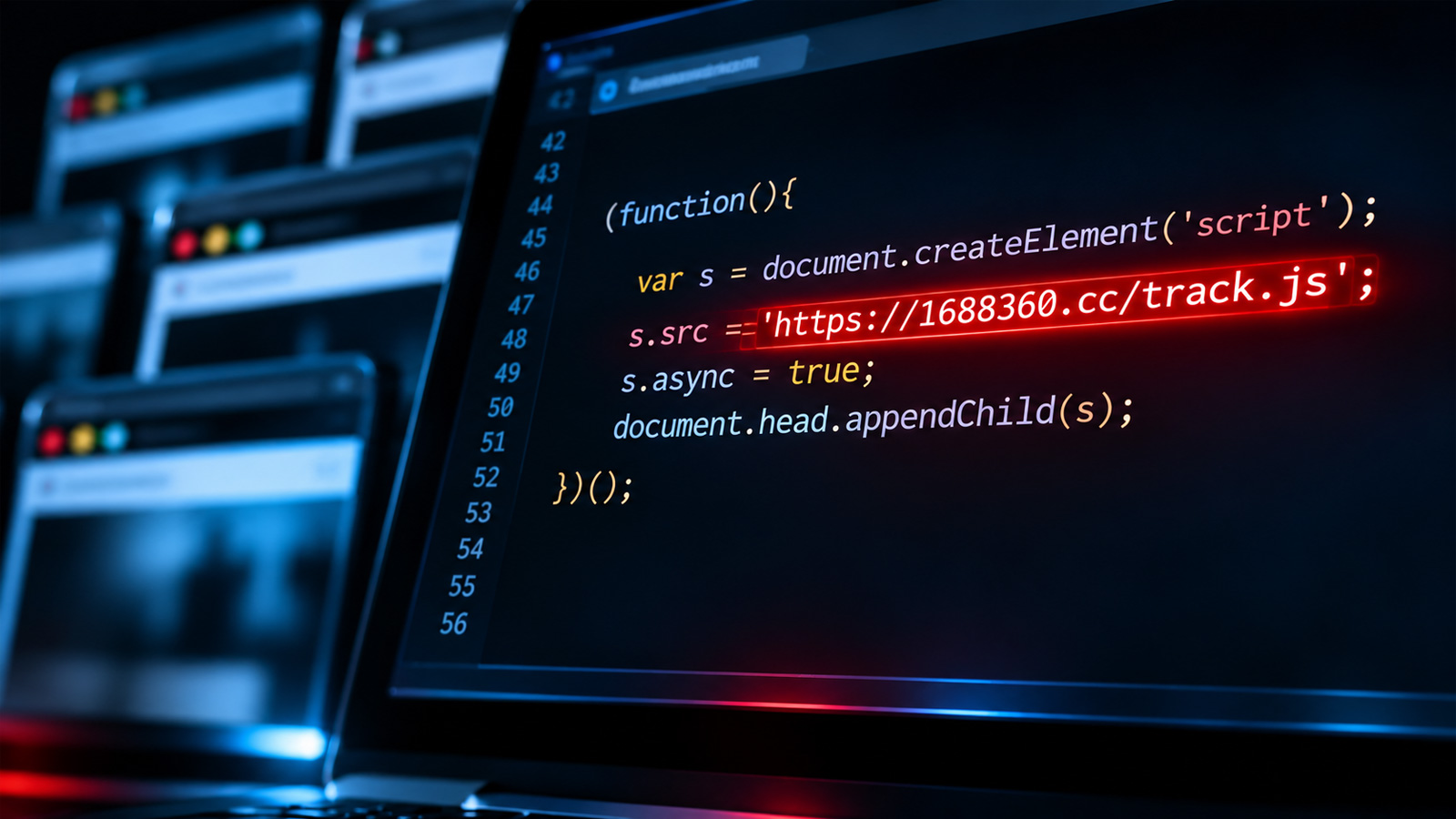
Scott Helme of the security firm Report URI said his team found 188 infected Optimizely files belonging to 178 organizations after analyzing 1,611 scripts. The earliest injection they observed came in the early morning of November 16. Other named sites include KLM, Air France, GitLab, HSBC Insurance, Bitly and UNICEF USA. The Record reported that 32 of the affected websites belong to finance or banking firms.
Optimizely confirmed the incident on Monday evening. The company said an unauthorized party exploited a vulnerability in its Experimentation account signup flow and "used it to add malicious JavaScript to some customer projects."
The injected code pulled in a second script that did several jobs at once. It swapped cryptocurrency wallet addresses shown on a page for the attackers' own. It searched for payment card numbers, expiration dates and security codes and tried to send them to the attackers' server. It could also collect browser cookies, page addresses and screenshots.
On iPhones and iPads, the code delivered two exploit kits that Helme identified as Coruna and DarkSword. According to The Record, DarkSword can infect a device when its user simply visits a compromised site in a browser, without a click.
Optimizely said it blocked the vulnerable path, deployed a fix, removed the injected code, ended active sessions, revoked tokens and reset access for affected accounts. It said all affected customers had been notified. By 21:52 UTC on November 16, only one of the 188 compromised files still contained malicious code. Salesforce disabled Optimizely scripts across its preview and production instances as a precaution.
The scale of the theft is not known. Wallets embedded in the script had received about $7,000 as of November 16, but some were active before the attack. Helme said there is no way to determine how many cards were skimmed, how many cookies or screenshots were taken, or how many Apple devices were infected before the code was removed. Neither report attributes the attack to a named group.
BleepingComputer said people who visited affected sites on November 16 can review cryptocurrency transfers made that day, watch card accounts for unauthorized charges and update iPhones and iPads to the latest software.
Helme first saw the injected code on Turkish websites in September, The Record reported. The outlet also pointed to a similar recent case at Fandango, which told California regulators that card numbers, security codes and expiration dates were stolen after malicious code was placed on its ticketing checkout page.
Want a weekly roundup of the major stories shaping the security industry? The On The Circuit newsletter is read by more than 12,000 protection professionals.
Spotted something we should cover? Send tips and feedback via circuit-magazine.com.